Wildlife Studies And Conservation Research
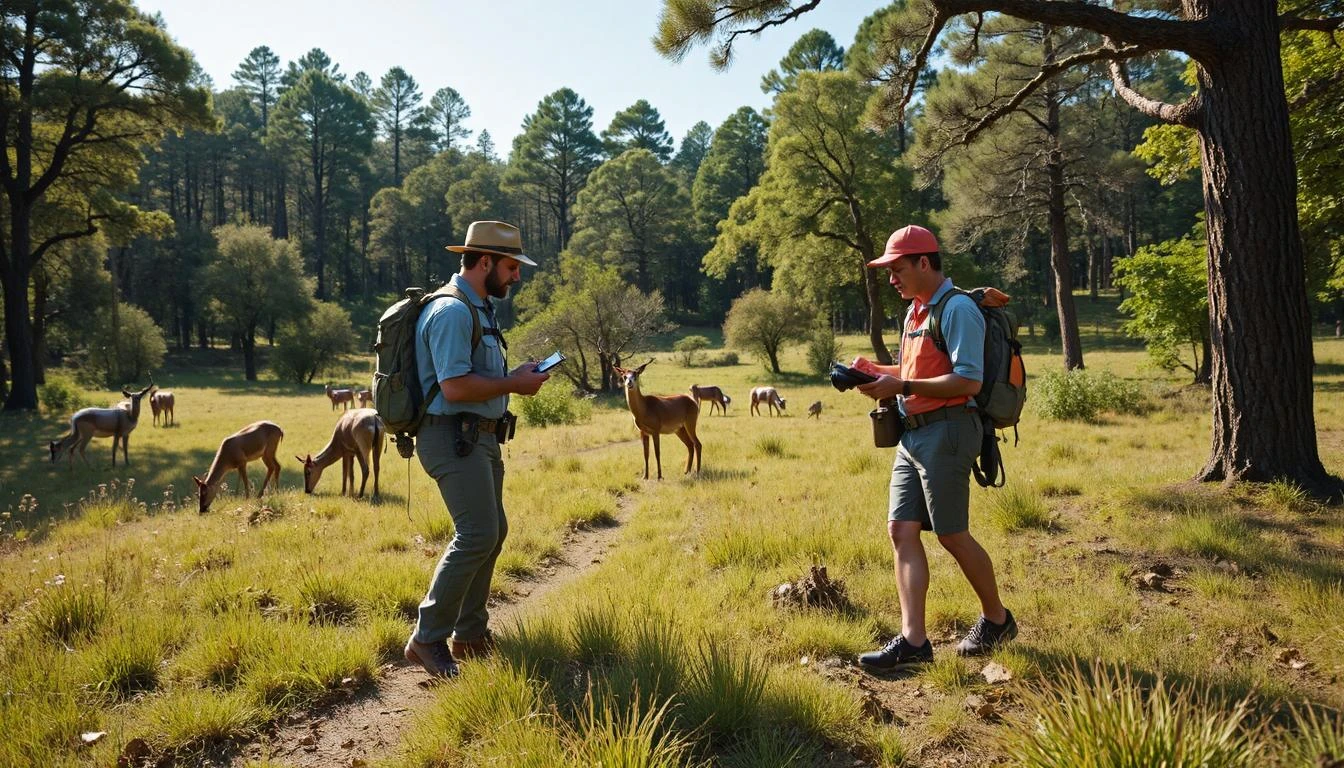
Wildlife research plays an essential role in protecting ecosystems, preserving biodiversity, and understanding the intricate relationships between animals and their natural environments. Modern wildlife conservation research helps scientists monitor endangered species, analyze environmental changes, and develop sustainable conservation strategies for fragile ecosystems worldwide. As climate change, habitat destruction, and human activity continue affecting natural environments, wildlife studies have become increasingly important for maintaining ecological balance and protecting the planet’s biological diversity for future generations.
Why Wildlife Studies Are Important
Wildlife studies provide valuable scientific insights that support conservation efforts and environmental sustainability.
Protecting Biodiversity And Ecosystems
Healthy ecosystems depend on balanced biodiversity. Wildlife research helps scientists identify environmental threats, monitor species populations, and preserve ecological stability across forests, oceans, grasslands, and wetlands. Protecting biodiversity also strengthens long-term environmental resilience.
Understanding Animal Behavior And Habitats
Studying animal behavior helps researchers understand migration patterns, feeding habits, breeding cycles, and ecosystem interactions. These insights allow conservationists to create more effective habitat protection strategies. Behavioral research contributes significantly to global wildlife conservation initiatives.
Supporting Environmental Sustainability Efforts
Wildlife studies often influence environmental policies, sustainable land management, and ecological restoration projects. Scientific findings help governments and organizations make informed conservation decisions. Sustainability efforts rely heavily on accurate environmental research data.
Key Areas Of Wildlife Conservation Research
Several major research areas focus on protecting species and restoring ecological balance worldwide.
Monitoring Endangered Species Populations
Researchers continuously monitor endangered animal populations to assess extinction risks and population trends. Tracking systems, satellite technology, and field observations help scientists gather important conservation data. Population monitoring remains essential for species recovery programs.
Studying Climate Change Impacts On Wildlife
Climate change significantly affects migration routes, breeding seasons, food availability, and habitat stability. Scientists study how environmental shifts influence both terrestrial and marine wildlife populations. Understanding these impacts supports stronger global wildlife conservation strategies.
Habitat Restoration And Ecosystem Protection
Habitat restoration projects aim to rebuild damaged ecosystems through reforestation, wetland recovery, and environmental rehabilitation efforts. Protected habitats provide safer conditions for vulnerable species to survive and reproduce. Ecosystem restoration remains a major conservation priority worldwide.
Challenges In Wildlife Research And Conservation
Despite scientific progress, wildlife conservation still faces numerous environmental and economic obstacles.
Human Activities Affecting Natural Habitats
Urban expansion, deforestation, industrial development, and pollution continue reducing natural habitats for wildlife species. Human activity often disrupts migration patterns and ecosystem balance. Habitat destruction remains one of the greatest threats to biodiversity.
Illegal Wildlife Trade And Poaching Risks
Illegal wildlife trafficking and poaching continue threatening many endangered species globally. Animals are often targeted for fur, ivory, exotic trade markets, and traditional medicine industries. Stronger international cooperation is needed to combat these illegal activities effectively.
Limited Conservation Resources And Funding
Wildlife conservation projects often struggle with limited funding, staffing shortages, and insufficient research infrastructure. Many conservation programs rely heavily on international support and nonprofit organizations. Long-term success requires consistent investment and public awareness.
Support Biodiversity Through Wildlife Studies
Wildlife studies and conservation research remain essential for protecting ecosystems, preserving biodiversity, and promoting environmental sustainability worldwide. Through scientific observation, habitat restoration, and conservation planning, researchers continue working to reduce ecological threats facing countless species.
As environmental challenges continue evolving, wildlife research will remain one of the most important tools for safeguarding the natural world and supporting a healthier ecological future.